RESEARCH STATEMENT
What my dissertation is about
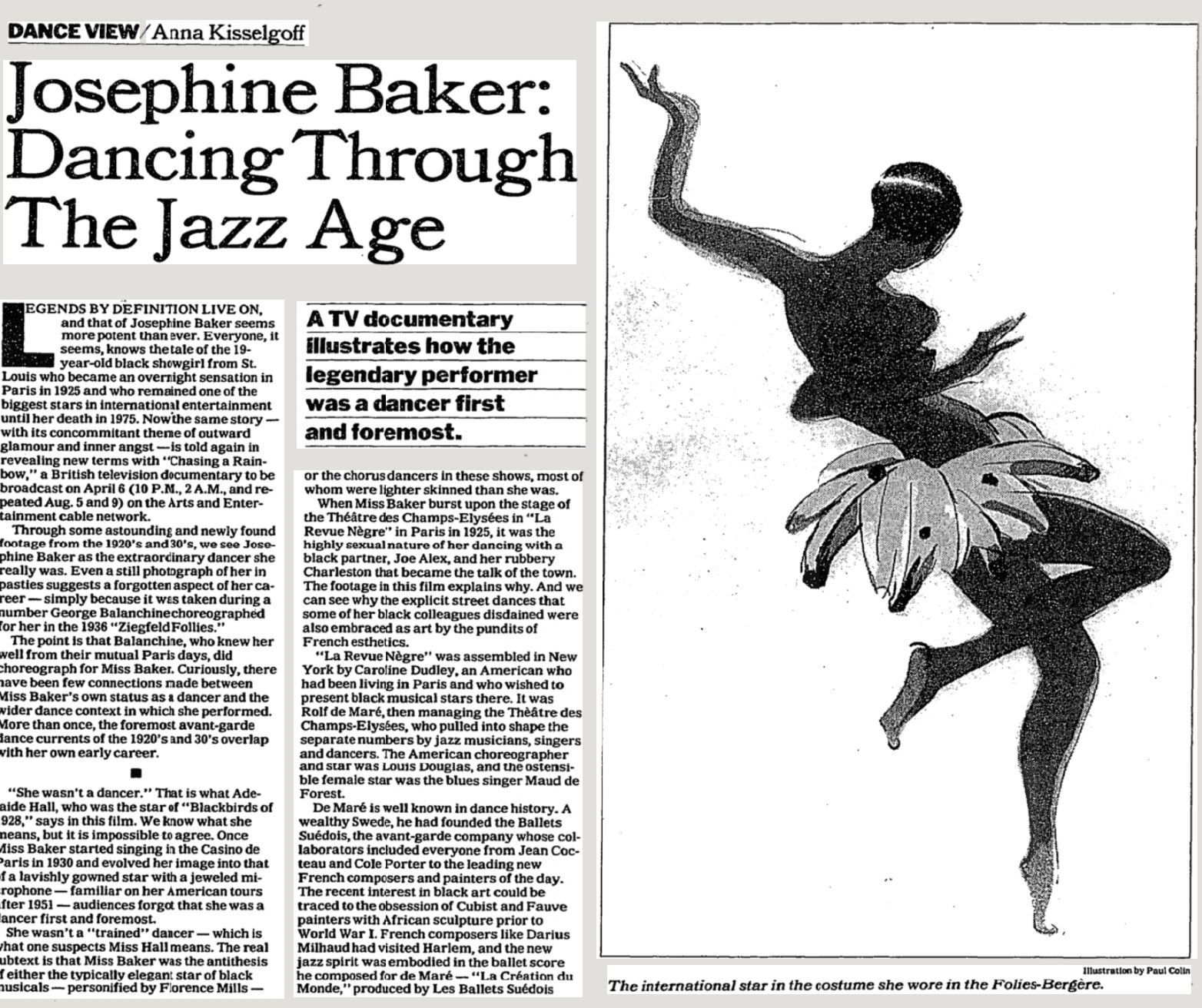
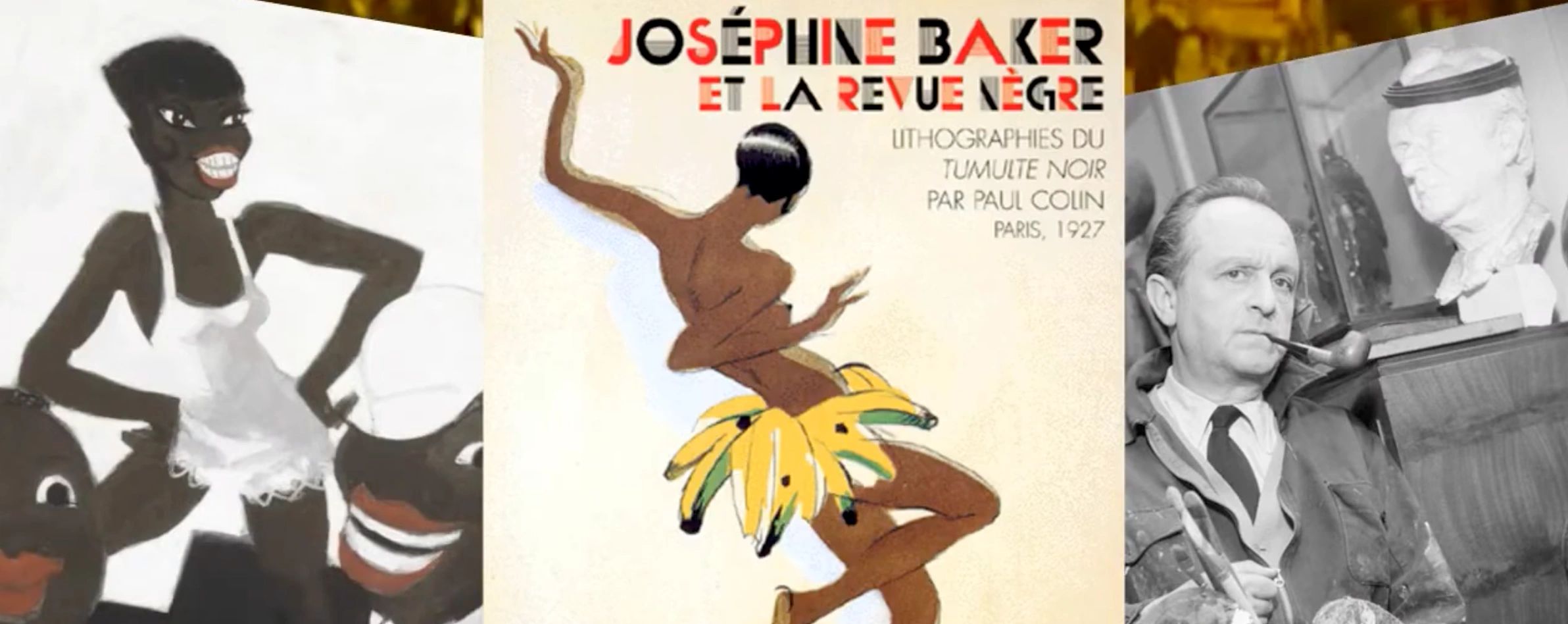
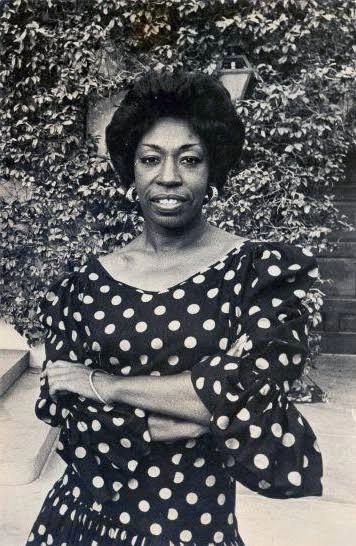
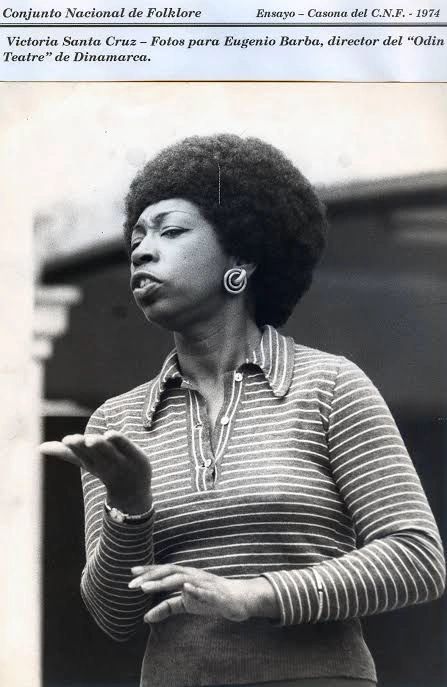
My dissertation is called Bridging Art & Politics, and it focuses on three Black women performers: Miriam Makeba, a South African singer; Victoria Santa Cruz, an Afro-Peruvian choreographer, poet, and teacher; and Josephine Baker, an American-born dancer and singer who made her career in France.
The big question
When we look back at the twentieth century and ask who shaped politics and freedom movements, Black women are often missing from the record. That's not because they weren't thinking or acting politically. It's because their ideas were rarely written down in the places historians usually look, like books, speeches, and government documents. So I'm asking: where else might we find their political thinking? My answer, I think, is in their art: in how they sang, danced, moved, and performed.
Who I'm in conversation with
I'm building on a few scholars whose ideas guide the project. Hortense Spillers argues that long before a Black woman speaks or moves, society has already decided what her body means, almost like a set of grammar rules written in advance. I borrow her idea of "grammar" and flip it around. If society has rules for how a Black woman is supposed to be seen, I'm interested in how these performers rewrote those rules through their performances.
André Lepecki writes about dance, time, and politics, including how societies control where and how people are allowed to move. And Daphne Brooks has argued for years that we need better ways of studying Black women's creative and intellectual work. In some ways, my project is an attempt to answer her call.
What each woman does
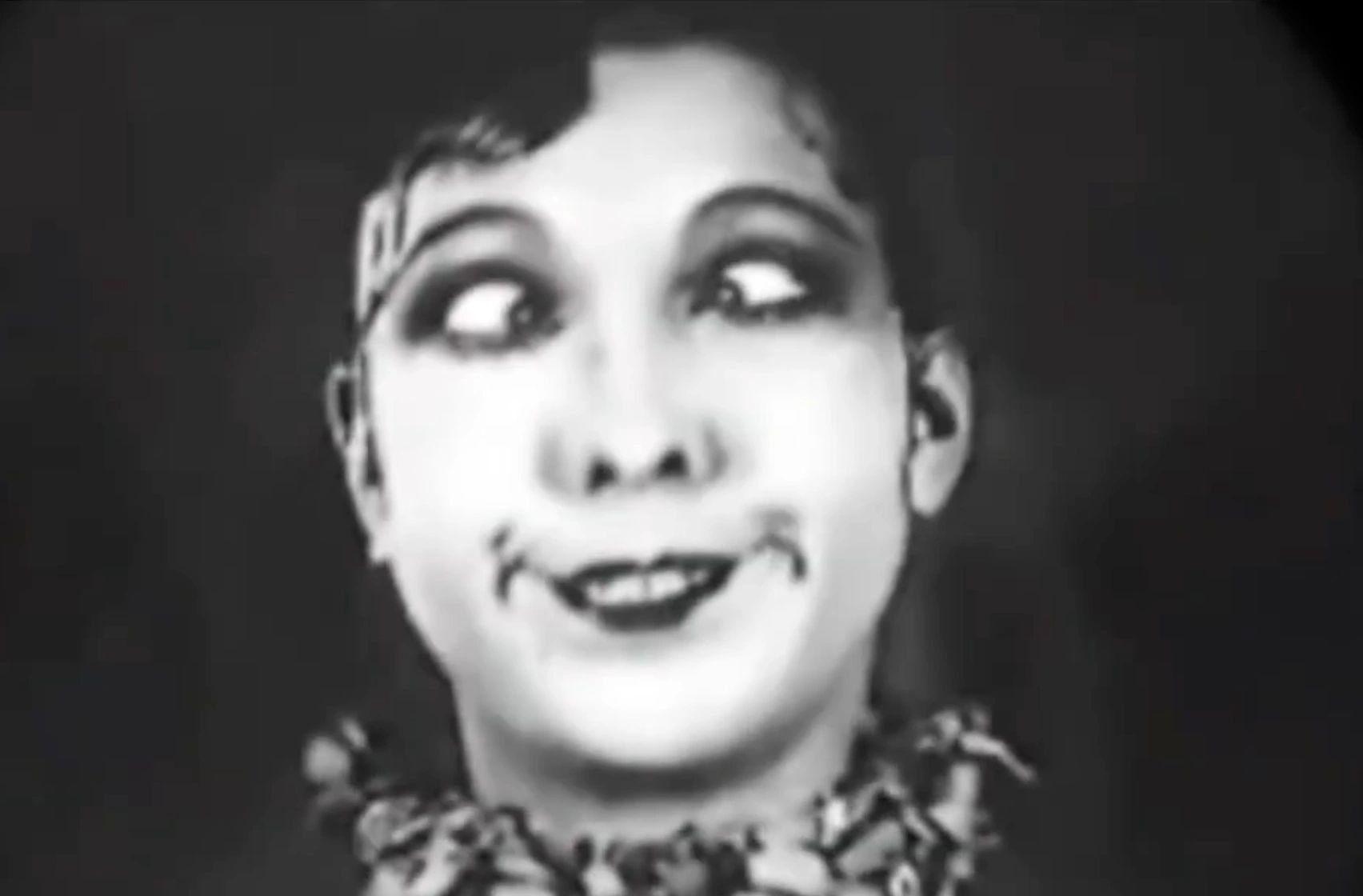
I think each of these women used time as a kind of power while performing. Makeba interrupts: she might suddenly laugh or shift her voice, catching her audience off guard so they can't settle into easy assumptions about her. Santa Cruz slows things down: she holds her audience in a long, unresolved moment, so they have to sit with what she's saying rather than rushing to understand it. And Baker speeds things up: she moves so quickly from one pose to the next that audiences can't pin down a single stereotype of her before she's already moved on.
Together, the chapters build on each other. Makeba shows what this kind of performance can do, Santa Cruz shows how it's done, and Baker shows why it matters.
The key idea: temporal authority
I call this power "temporal authority." Simply put, it's the ability to control the pace of a performance, and through it, how quickly an audience gets to decide who you are. For these women, that meant claiming the right to unfold over time, instead of being immediately labeled, boxed in, or "figured out."
What I mean by a "Black feminist performance grammar"
If society has a set of rules that decides what a Black woman's body means before she even moves, then a Black feminist performance grammar is the set of moves, sounds, and timing these women used to rewrite those rules as they performed. It shows up in their laughter, their repetition, their pauses, their interruptions, and their speed. It's less a fixed rulebook than a practice, something they improvised and did again, and again, and again.
Why it matters
Ultimately, I want people to see these women not just as entertainers, but as thinkers. They had real ideas about politics, freedom, and how they were being seen, and they expressed those ideas through their art. I'm trying to take their performances as seriously as we would take a written theory.